Customer data exists.
Customer understanding
doesn't.
TechMonk Intelligence Agents continuously unify customer
signals across your stack and generate a living, multi-
dimensional understanding of every customer always
current, activation-ready and built for enterprise governance.

Customer data
Unify customer data on CDP
Bring together customer identity, behaviour, purchases, campaigns, and service
interactions into a single intelligence layer—so every team works from the same source of truth.

Behaviour Signals
Web/App events, product views, carts, purchases

Support Interactions
Support tickets, resolutions, chat transcripts

Customer Feedback
Reviews, surveys, NPS/CSAT, sentiment

Data Enrichment
First-party + third-party enrichments (geo, intent, interests)

Identity Signals
Identity signals (mobile, email, user ID; fallback to device ID)
Intelligence Agents
Autonomous AI agents that create, refresh, and operationalize customer
understanding—at scale.
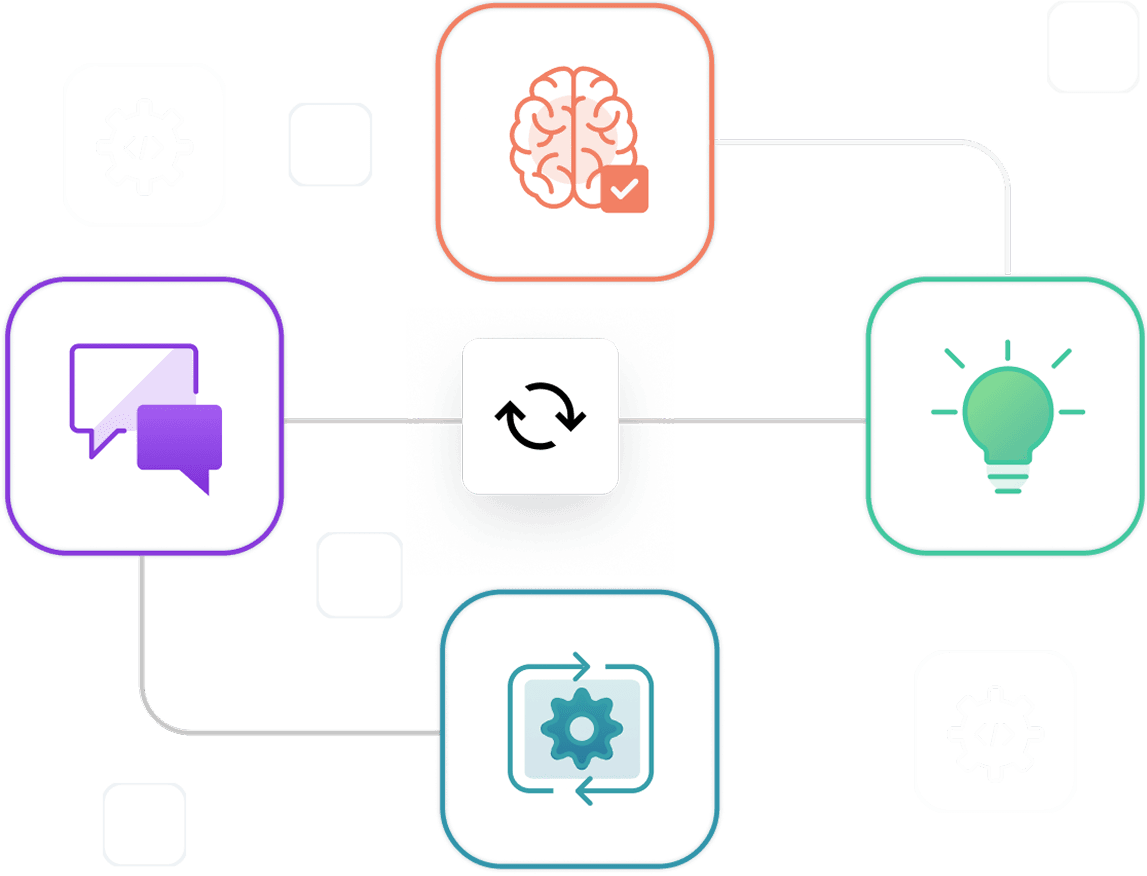
Always‑on (Self‑Triggered)
Agents routinely scan your customer base and refresh understanding as new signals arrive.

On‑Demand (API‑Triggered)
Trigger intelligence generation for a defined cohort (e.g., VIP churn risk, high intent visitors, recent returners) through API.
TechMonk Intelligence Agents
Built from all your customer signals
Intelligence Agents use identity resolution to unify signals, then synthesize
both structured and unstructured inputs.


Customer identity: mobile number, email, user ID (fallback: device ID)

Demographics: age range, income band, city/region (as available)

Behavioural history: web/app events, product views, carts, purchases, repeat cadence

Service interactions: support tickets, outcomes, chat transcripts, escalation history

Voice of customer: reviews, survey responses, NPS/CSAT, complaint themes

Enrichment signals (1P/3P): geo context, interests, intent signals (where available) Other
Customer Prism
Intelligence dimensions generated
automatically per customer
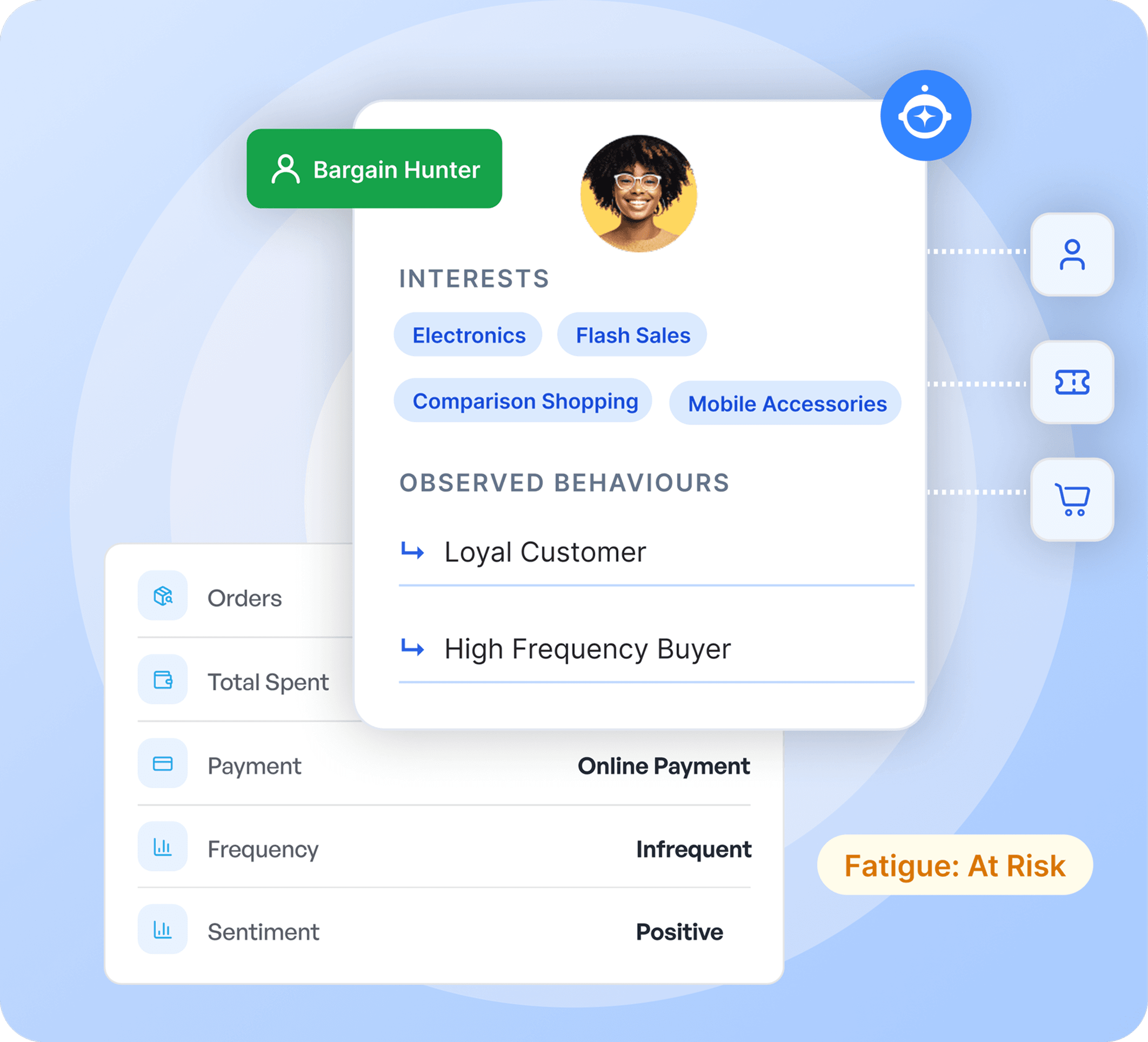
Demographic Understanding Stable attributes and market context used for segmentation and messaging.
Behavioural Understanding Habits, browsing and purchase patterns, engagement cadence, category preferences.
Psychographic Signals Inferred preferences, motivations, style/value cues derived from behaviour and language.
Value & Affinity LTV indicators, brand/category affinity, price sensitivity, propensity signals.
Service Quality Support experience quality, friction points, sentiment trends, risk indicators.
Data Governance
Enterprise-grade governance and
privacy controls
PII controls
masking/redaction and retention policies
Auditability
trace what signals drove a profile change
Policy controls
define what data is used, excluded, and how it's applied

Scale-ready
designed for multi-system, multi-region environments
System in Action
How Intelligence Agents work

Identity resolution (email/mobile/user ID/device ID)
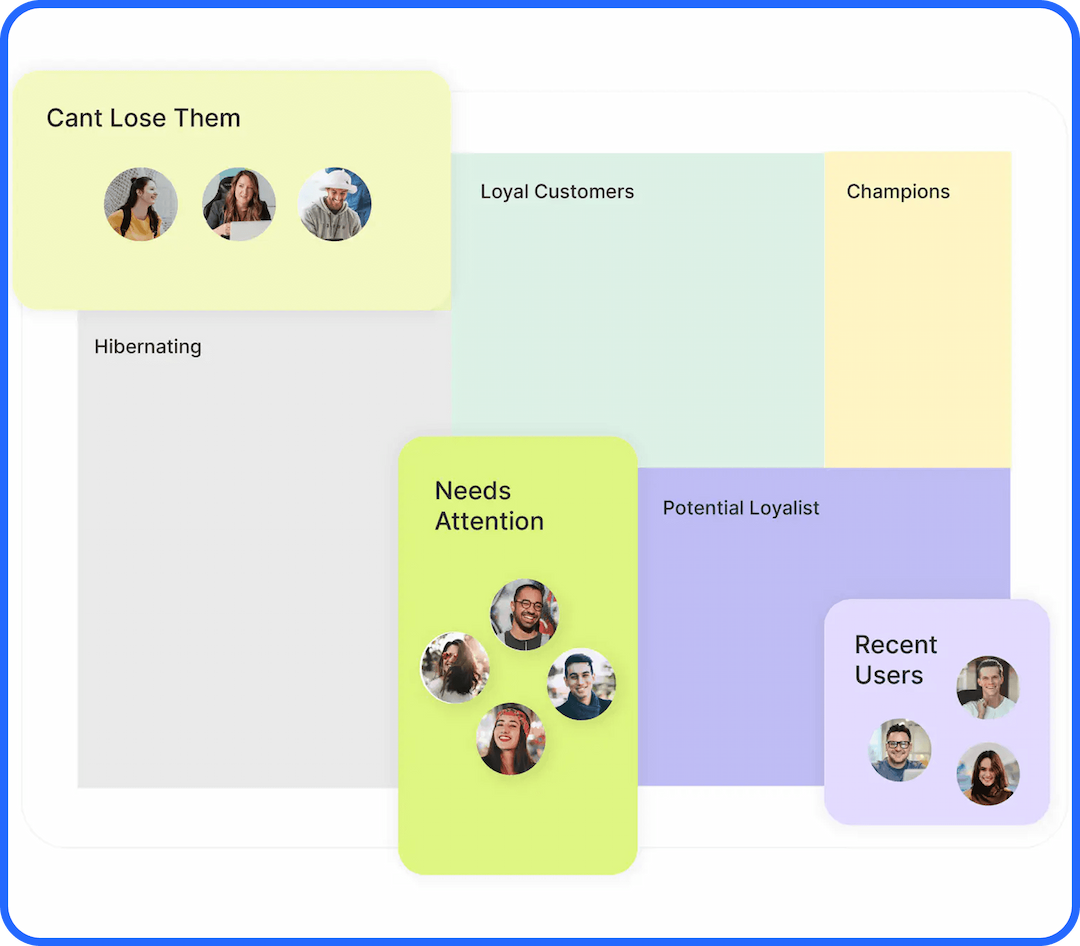
Common segment families you can build:
RFM / lifecycle : new, active, at‑risk, churned, reactivated
Intent segments : high intent, comparing, discount‑seeking, ready‑to‑buy
Value segments : VIP, high‑LTV potential, low‑margin risk
Service segments : high friction, repeat complaints, low satisfaction trend
Affinity segments : category lovers, brand loyalists, cross‑sell candidates
 Get Started
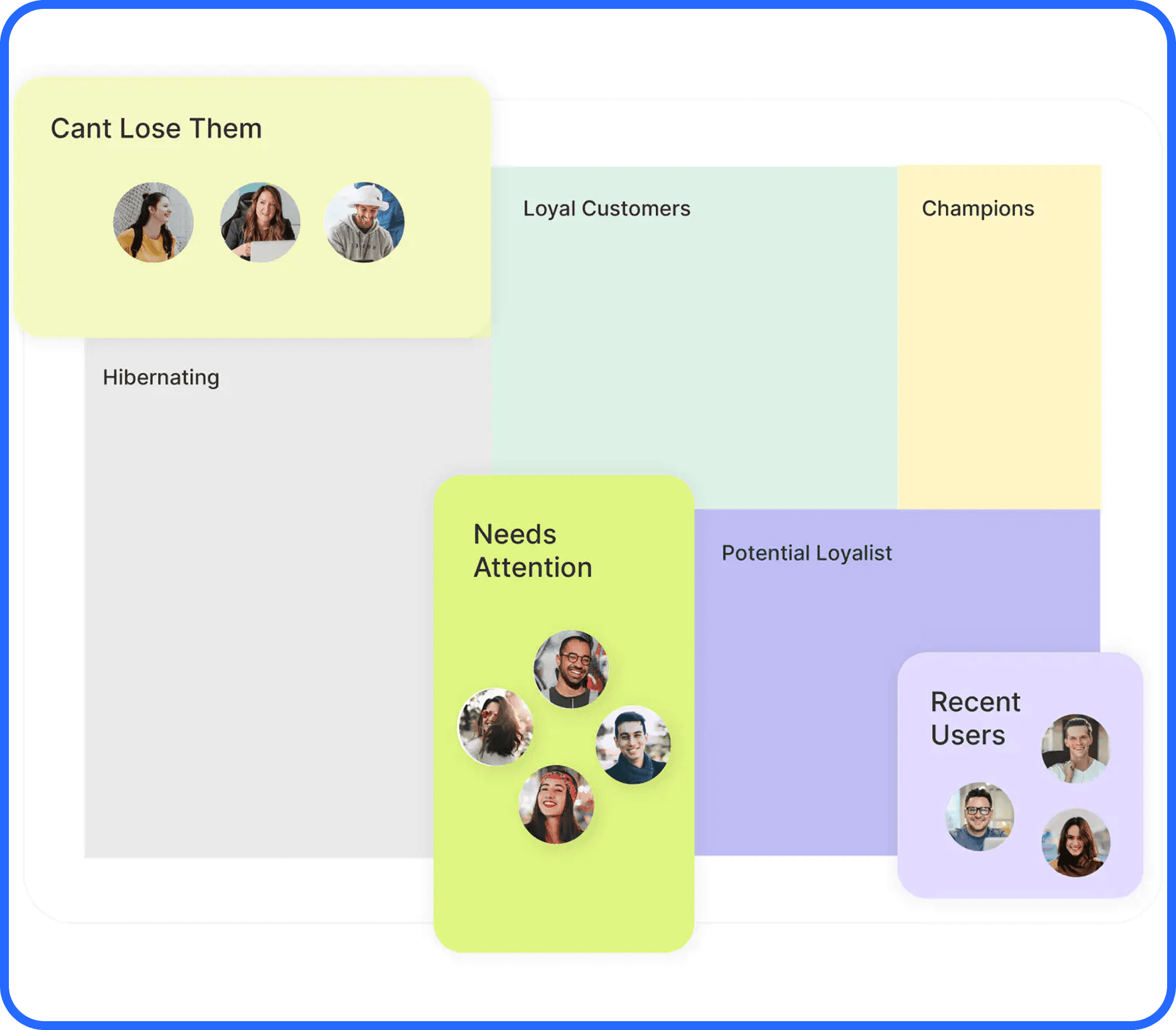
Common segment families you can build:
RFM / lifecycle : new, active, at‑risk, churned, reactivated
Intent segments : high intent, comparing, discount‑seeking, ready‑to‑buy
Value segments : VIP, high‑LTV potential, low‑margin risk
Service segments : high friction, repeat complaints, low satisfaction trend
Affinity segments : category lovers, brand loyalists, cross‑sell candidates
Frequently
Asked Questions
Have another question? Please contact
our team!
A CDP is a tool that collects and brings customer data together from various sources to create a unified customer profile. For businesses, this means better insights into customer behaviour, personalised customer experiences, and more effective marketing strategies, driving higher engagement and retention.
Turn customer signals into
customer understanding
See how TechMonk Intelligence Agents unify data across CDP and systems, generate always-current customer intelligence, and power agentic segmentation for campaigns, journeys, personalization, and support.
 Schedule a Demo