What is Omnichannel Marketing in E-commerce? Definition & Strategy

Key Highlights
E-commerce Omnichannel Idea: A smooth shopping journey across all devices and platforms.
How It Works: Marketplaces, mobile sites, social selling, messaging, email, and virtual experiences.
Core Pillars: Unified data, seamless integration, steady messaging, and constant optimisation.
Multi vs Omni: Fragmented journeys versus connected brand experiences.
Business Benefits: Higher engagement, better experience, stronger retention, clear advantage, and improved lifetime value.
E-commerce Omnichannel Trends: Store revival, showrooming, virtual shopping, live events, personalisation, and transparent delivery.
Top Strategies: Set clear goals, understand customers, keep one brand identity, integrate systems, and build smooth journeys.
Smart Personalisation: Relevant offers, tailored messages, and data driven experiences across channels.
AI Agent Role: Right channel use, clear purpose per channel, connected touchpoints, ongoing upkeep, and well-tracked performance.
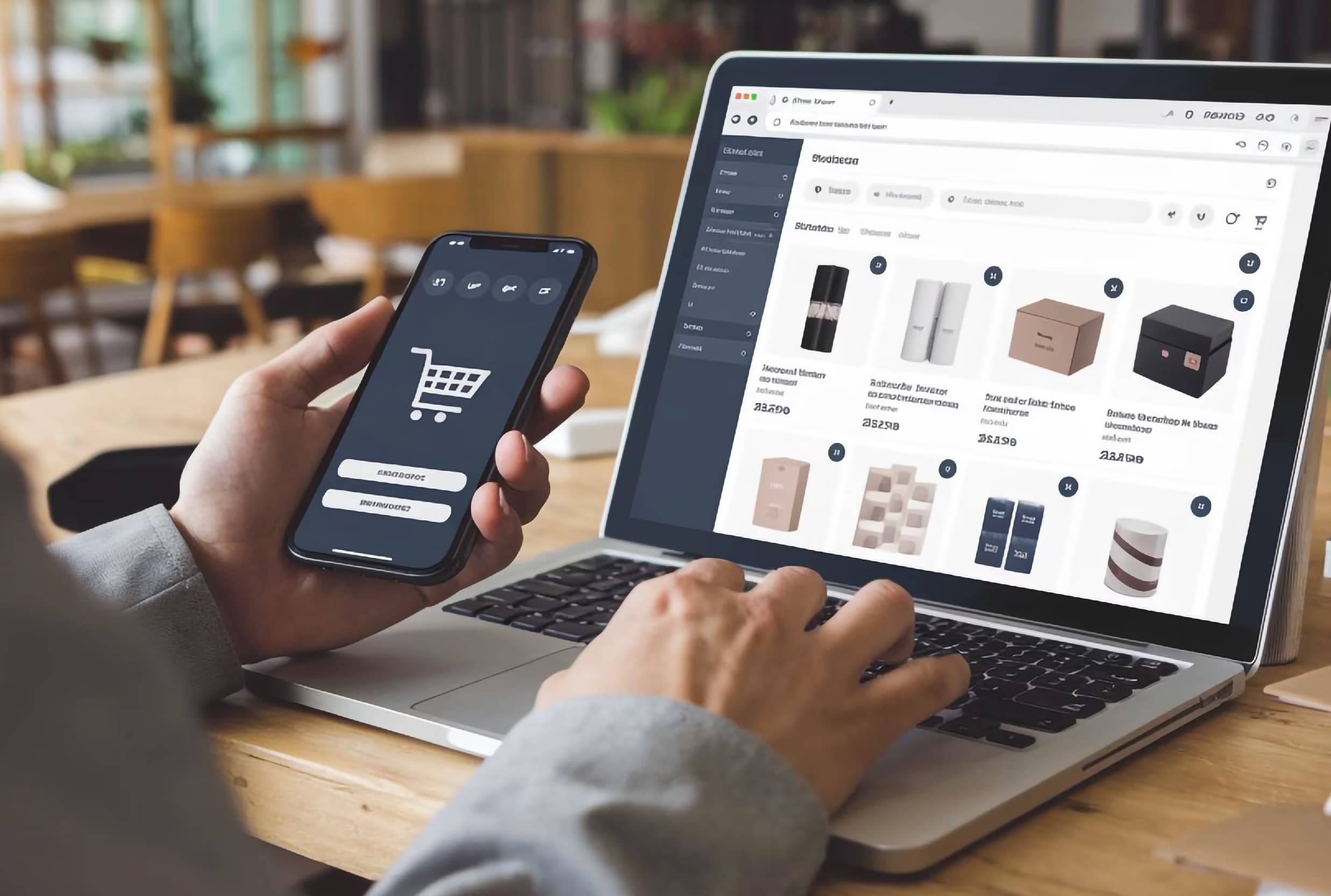
Omnichannel marketing in e-commerce creates a seamless and consistent shopper experience across all platforms and devices. So customers can engage with the brand in the way they want to shop. It brings together different ways of shopping, be it online, on mobile, or even in physical stores.
Actually, this is the way of omnichannel marketing. It's a strategy that connects all your shopping channels, from online to in-store, making every interaction feel seamless and personalised as your wish.
Curious how it works behind the scenes and how businesses pull this off? Let us explore the same in detail.
How Omnichannel Marketing Works
Omnichannel marketing creates a consistent and personalised experience wherever customers shop. Here is how omi-channel marketing works for E-commerce businesses.
- E-commerce Marketplaces: Selling on Amazon or eBay while maintaining the same branding and experience everywhere.
- Mobile websites and apps: Ensure your websites and apps are mobile-friendly for users who want to shop on their phones.
- Social marketing, retargeting, and sales: Advertisements are displayed using Facebook or Instagram once someone has browsed your products and you have enabled purchases from social media.
- Messaging and SMS: Through text or WhatsApp Apps, order updates, promotions, or reminders are given allowing for instant communication.
- Personalised email marketing: Sending tailored emails based on what your customers like will make them look much more relevant to them.
- The metaverse: Considering virtual shopping experiences where customers can interact with your products in newer digital ways.
The Four Pillars of Omnichannel
We have discussed omnichannel marketing and how it works. Now, let us answer this question: What are the 4 pillars of omnichannel?

1. Unified Customer Data
The first pillar is having a view of the customer data across all points of contact: whether you need to have a source of truth for contacts, purchase history, and preferences. By consolidating all this data into one place, you can give customers personalised experiences no matter how they interact with your brand online, in the store, or with your app.
TechMonk is the best platform for e-commerce omnichannel communication. This customer data platform unifies customer data from websites, CRMs, and other customer touchpoints. Therefore it lets you ensure personalised communication across channels.
2. Seamless Integration
Seamless integration between all of your channels is the second pillar. This way, customers are able to fluidly transition from one touchpoint to another without encountering interruptions or inconsistencies.
For instance, if a customer starts a conversation on social media, that interaction should flow into a chatbot. The conversation should not begin from scratch. This can make for a much smoother and more connected experience.
3. Consistent Messaging
The third pillar is consistency everywhere. All interactions with the brand, whether social media, email, in-store, etc. must have a brand voice and values. They need to understand they're talking to the same brand, no matter what channel. This is how you build trust and where your brand comes to life.
4. Ongoing Optimisation
The fourth pillar of omnichannel marketing is constant optimisation. This refers to constantly updating your omnichannel strategy by continuously assessing and optimising. Collect feedback from customers, and monitor the trends around technology. It will help you make the necessary adjustments to ensure you are offering the best experience possible.
Multichannel E-commerce vs. Omnichannel E-commerce
Both omnichannel and multichannel e-commerce use multiple channels to reach retail customers. However, they differ in their level of integration and customer experience. Let us compare them in detail for a better understanding.
| Aspect | Multichannel E-commerce | Omnichannel E-commerce |
|---|---|---|
| Definition | Using multiple platforms to reach customers (website, social media, stores) | Integrating all channels for a smooth, connected customer experience |
| Customer Experience | Fragmented; experiences differ across channels | Consistent; a unified, seamless experience across all channels |
| Data Sharing | Data is isolated within each channel | Data is shared between channels, creating a full view of the customer |
| Personalisation | Limited; usually tailored per channel | High; personalised across the entire customer journey |
| Brand Interaction | Customers interact separately with each channel | Customers get to start on one channel and continue on another without disruptions |
| Marketing Focus | Focuses on each channel's individual performance | Aims for a unified experience across channels |
| Channel Management | Each channel is managed separately | All channels are managed together as a connected system |
| Examples | A retailer sells on a website, social media, and in-store, but experiences differ | A customer starts on mobile, adds to the cart, and checks out on desktop or in-store seamlessly |
| Goal | Maximise each channel's effectiveness | Provide a consistent, seamless experience across all channels |
Benefits of Omnichannel E-commerce Marketing

1. Enhance Customer Engagement
Perfect omnichannel marketing can easily enhance customer engagement. Omnichannel marketing keeps customers engaged as they interact with your brand across various channels such as social media, email, and your website. Customers will probably stay connected if they can switch between platforms without some form of disruption.
For example, TechMonk is a platform that improves e-commerce customer engagement through omni-channel marketing. It helps businesses trigger campaigns automatically through customer actions. Therefore, companies can ensure maximum engagement by reaching their customers through relevant messages and offers through different channels.
2. Make the Customer Experience Better
You can ensure an uninterrupted experience when the customers can quickly shift from one platform to another without experiencing disconnection. This leads to a smooth shopping experience and thereby increases satisfaction and good brand perception.
Example, a shopper added an item to the cart on your mobile app and bought it without a hitch on their desktop for the convenience of shifting seamlessly between the two.
3. Increase Customer Retention
A seamless and personalised experience through multiple channels ensures that your customers will return to your store. After being valued and recognised, they will most probably keep returning as repeat buyers.
Example, once a customer has purchased, personalised product recommendation happens by e-mail or whatsapp to the customer to return and buy again.
4. Leverage Competitive Advantage
Omnichannel marketing provides you with an advantage over those who concentrate only on individual channels. With a unified experience, you can differentiate your brand and help it stay atop the mind of customers.
For example, while competitors only communicate through their website, your omnichannel approach facilitates communication through social media, SMS, and email to make your brand more accessible to your customers.
5. Enhance Customer Lifetime Value (CLV)
Consistency across channels increases the chances of customers sticking longer to your brand, increasing lifetime value.
For example, when customers consume your brand through multiple channels, such as mobile apps and personalised emails, they feel more connected. It keeps them coming back for more purchases, improving the CLV.
6 Omnichannel E-commerce Trends
The way customers shop has changed over the past few years. E-commerce businesses cannot afford to not keep up with the latest trends. Here are the six omnichannel marketing trends with real-world omnichannel marketing examples.
| Trend | Why It Matters | Real-World Example |
|---|---|---|
| Return to Brick and Mortar | Why are people still shopping in stores? 72% of consumers still want to touch and feel products before buying them. | Apple: Seamlessly blends physical and digital shopping by offering in-store pickup for online orders. |
| Showrooming | Do you browse in-store but buy online later? You're not alone— 69% of shoppers do! | Best Buy: Matches online prices, allowing shoppers to browse in-store and feel confident they're getting the best deal online. |
| Virtual Shopping | Would you try on clothes or test furniture virtually? 35% of consumers have already used AR/VR for this. | IKEA: Their AR app allows you to place virtual furniture in your home, making sure it fits your space before buying. |
| Livestream Shopping | Have you joined a live shopping event yet? This trend has grown by 76%! | Sephora: Uses Instagram Live to showcase products, answer questions, and offer exclusive discounts to viewers. |
| Personalisation | Do you like getting personalised recommendations? 80% of consumers do — and they're more likely to buy because of it. | Netflix: Personalises your movie and TV recommendations, a strategy e-commerce brands now apply to product suggestions. |
| Transparent Supply and Delivery Chain | Do you track your online orders? 53% of consumers expect real-time updates on their deliveries. | Amazon: Provides real-time tracking from warehouse to doorstep, setting the gold standard for transparent supply chains. |
Stay at the forefront of Omnichannel E-commerce Trends with TechMonk's advanced AI solutions.
Try TechMonk8 Exceptional Omnichannel E-commerce Marketing Strategies

1. Outline Your Goals and Objectives
Do you want to drive more online sales, increase foot traffic, or convert one-off buyers into your loyal fan base? If you define your goals beforehand, you will be able to develop an omnichannel strategy that gives you specific avenues to achieve them. Once you know where you're headed, it's much easier to develop a winning strategy.
2. Know Your Customers
Have you ever wondered what motivates your buyers? If not, develop an outline of the different kinds of customers you are working with - your buyer personas. Now, try answering these questions.
What are they looking for? Do they have specific interests? Which platform will they be active on? This information lets you touch them individually, relevantly, and interestingly.
Example: Imagine you are an online or high-street fashion retailer. To younger customers who spend their whole lives on Instagram, a picture-led, trend-based feed may be the most effective use of the application. Personalised offers could work better for older customers who check their email daily.
3. Build Cohesive Brand Identity
It should feel like one experience across all channels: your website, social media, and physical stores should all feel like "you." Consistency in messaging, tone, and visuals helps to build the ability for customers to recognise your brand wherever they encounter it, helping to build trust and familiarity.
Example: Think about your favourite brand — whatever much you love them, their ads, social media, or stores feel connected. That's what you want to create.
4. Integrate Your Data and Systems
In order to achieve an integrated view of all your customer interactions, you will need to integrate your inventory management, customer relationship management, and order processing systems. Such integration streamlines processes and delivers real-time access to data through all channels, thus ensuring that your team always gets clear and up-to-date pictures of their customer activity.
Multichannel attribution takes this to the next level by showing you what role specific marketing channels, such as email, social, SEO, or PPC ads, played in getting a customer to the point of purchase. This lets you focus efforts where it counts and create a seamless experience at each touchpoint.
5. Create a Seamless Customer Journey
What consumer behaviour features impact buying decisions in e-commerce? Take the case of a customer who first sees your product on Instagram, then adds it to his or her online cart, and then buys in the store using a discount you e-mailed. That's what an effortless journey looks like! Lay out these paths, identify the worst bumps in them, and make it easy for customers to change channels without missing a beat.
6. Personalise the Shopping Experience
Everyone prefers a personal touch. Customer data enables your business to personalise product recommendations, targeted promotions and content within several channels.
For example, third-party cookies or login information about customer behaviour on your website can inform personalisation for repeat visitors. If a customer frequently visits the outerwear section, their homepage will include more elements from that category to make it more relevant and engaging.
7. Provide Extraordinary Customer Service
Excellent customer service forms an integral part of the omnichannel strategy. This kind of service is built in the form of loyalty: a customer will get quick answers on live chat, helpful advice in-store, and instant replies by email. That's the kind of service that builds loyalty.
8. Keep Agile and Switching
E-commerce trends are changing fast. What works today may not work tomorrow. Keep looking at your strategy and listening to consumer opinions to change as necessary. Adaptability is the name of the game when it keeps you competitive and in touch with what your customers want.
AI Agents: The Key to Perfecting Your Omnichannel Strategy
1. Select the right channels:
You need to know where your customers spend most of their time and what they do there. This becomes easy when you use AI-driven insights. You can then deploy channel-based AI agents like WhatsApp AI agents, Instagram AI agents, or ChatGPT-powered AI agents for agentic commerce.
These AI agents support sales within conversations. They guide customers through product choices, offer personal recommendations, and complete transactions inside the chat.
2. Choose a clear purpose per channel:
Each channel needs a clear role. One channel may focus on interaction, while another may share updates or offers. Your AI agents improve this setup by giving specific automated responses. For example, an AI sales agent can manage sales and transactions inside WhatsApp commerce.
At the same time, an AI support agent can manage post purchase queries across other channels. On platforms like ChatGPT, the AI can act both as a conversational assistant and a transactional tool. It answers questions, guides customers, and supports purchases in one place.
3. Connect all channels:
This becomes the most challenging step and works only when you execute it with care. You need the right technology to make omnichannel work well. AI agents support this by tracking and engaging customers across every touchpoint. You may see customers browse online, interact on social media, or purchase in store.
AI keeps your messaging consistent and tailored for each moment. Platforms like ChatGPT also support this flow and help you offer a personal and connected shopping experience.
4. Maintain your channels:
You cannot set this up and then step back. You need to test and refine your strategy all the time. AI support agents give you performance insights and adapt to improve customer interactions. You can use these insights to improve your omnichannel experience. This helps your customers feel valued at every step. ChatGPT-based agents also support automated sales and help you refine your process to improve conversion rates.
5. Track performance and optimize:
You will see some channels perform well and others need attention. AI agents can track your key metrics across all channels. They highlight where your strategy works and where you need to adjust.
With real-time insights, you know exactly where to focus next. AI-powered commerce on ChatGPT also provides analytics on customer behavior, transaction trends, and interaction quality. This makes it easier for you to refine your sales funnel and improve results.
TechMonk: Revolutionising E-Commerce with Omnichannel AI Agents
Are you ready to transform your e-commerce business into an omnichannel powerhouse?
You may want to move your business into a space where every channel works as one system. TechMonk makes this shift simple for you. TechMonk brings together your key communication platforms like WhatsApp, Instagram, Email, SMS, and your website.
You get a connected setup that helps your teams work faster and with more clarity. AI agents sit at the center of this system and support your brand with personal interactions in real time. You can engage your customers across many touchpoints without any break in the journey.
By using AI agents, TechMonk helps you reach your customers in every place they prefer. You also give them a tailored experience that feels simple and fast. This leads to better satisfaction, more conversions, and stronger loyalty. You manage all this through one unified approach with an omnichannel e-commerce platform powered by intelligent automation.
Pre-Built AI Agents: Simplify and Automate with Ease
- AI Sales Agents: You can increase customer engagement by guiding each customer from interest to conversion. These agents study preferences and share personal recommendations across the channels your customers use. They improve product discovery and help customers decide faster with clear suggestions and detailed comparisons. You may ask why this matters. It matters because you reduce effort and create smoother decisions.
- AI Support Agents: You can build strong customer loyalty through self service support. These agents stay active at all times and solve queries instantly across channels like WhatsApp and SMS. They improve first response time and address customer needs with accuracy. This helps you reduce pressure on your teams.
- AI Reporting Agents: You can make your reporting process simple with AI agents that create and manage dashboards and reports. They sync data in real time from many sources and present clear analysis in both table and chart formats. This gives you fast access to insights when you need them.
- AI Voice Agents: You can change your customer service with natural voice agents that handle calls across PSTN and WhatsApp. These agents offer different voices and personalities. They stay active at all times and engage customers with clear conversations and steady follow-ups. This makes your call experience feel smooth and direct.
How to Build an AI Agent for Your Unique Needs?
You may have unique workflows you want to automate. You can build your own AI agent in three simple steps and let it handle your tasks with ease. This gives you full control and keeps your operations smooth. This also helps you make your system ready for stronger omnichannel marketing in e-commerce.
- Tools Library: You can start by building the right tools from the pre built tools in TechMonk's Tool Library. These tools give your AI agents the features they need to work smart and stay efficient. They help your agents handle most tasks across the customer journey. You only need to create new tools when you want your agent to perform something very specific.

- Agents Library: You can explore the Agent Library. It offers ready-to-use AI agents that support different tasks and make your workflows smoother and faster. You may look for an agent that fits your needs and ask what to do when you do not find one. You can build a new agent with ease and make it fit your requirements.

- Agent Flow: Once you set your agents, you can connect them together. This is where you design an Agent Flow. It links many AI agents and helps them manage full customer journeys. Think of it as a clear system where every agent understands its role. The orchestrator acts like the brain and decides which agent handles each task. This keeps the entire process simple and well organised. It also prepares your setup to work well with an omnichannel e-commerce platform.
How to Ensure Custom AI Agents Perform Exactly the Way You Want?
You might wonder how much control you get over your AI agent. With TechMonk's Agent Builder, you shape every detail of your agents and keep the experience consistent.
- Strict Guardrails: You can set clear input and output guardrails. These guardrails accept valid inputs and keep responses accurate. They also stop misuse and prevent hacking. They help you maintain strong quality control.
- Testing Automation: You can train and test your AI agents anytime with an LLM Judge. This gives you confidence that customers always receive accurate and relevant answers. It also helps you improve your agents as new needs appear.
- Observability of Workflows: You can watch your AI agents work inside your workflows in real time. You see how they handle queries and how each response is formed. This helps you find issues and improve how your agents interact with customers.
- Traceability of Conversations: You can track AI agent conversations across many channels. You see how they create responses and why they choose specific answers. This also helps you find areas that need quick changes.
- Tracking AI Agent Performance: You can measure your AI agent performance by checking reasoning, response time, and latency. These insights help you improve efficiency and make your agents perform better over time. You also stay aware of how your agents respond under different situations.
Takeaway
As we discussed, being omnichannel is far from just mere presence on multiple platforms, but it also guarantees a seamless connected experience that keeps customers involved and consequently builds loyalty.
With the right approach, you will unlock the true power of omnichannel marketing. TechMonk is here to guide you - a group of expertise in customer engagement and omnichannel marketing strategy - all to help map your clear, effective plan. Ready to elevate e-commerce experience? Then connect with us, and begin to build a united customer-centric strategy today!
Ready to boost customer engagement and drive sales? Start building your omnichannel marketing strategy today! Schedule a Demo
Schedule a DemoFrequently Asked Questions
Have another question? Please contact our team!
Omnichannel marketing in e-commerce creates a smooth experience for your customers across every channel you use. You may work with your website, social media, your app, and your store. You want your customers to move through these spaces with ease. You also want them to feel the same message and the same personal touch wherever they go. This approach helps your customers choose how they want to engage with your brand.